Right
ECHR ruling “Ukraine v. Russia”
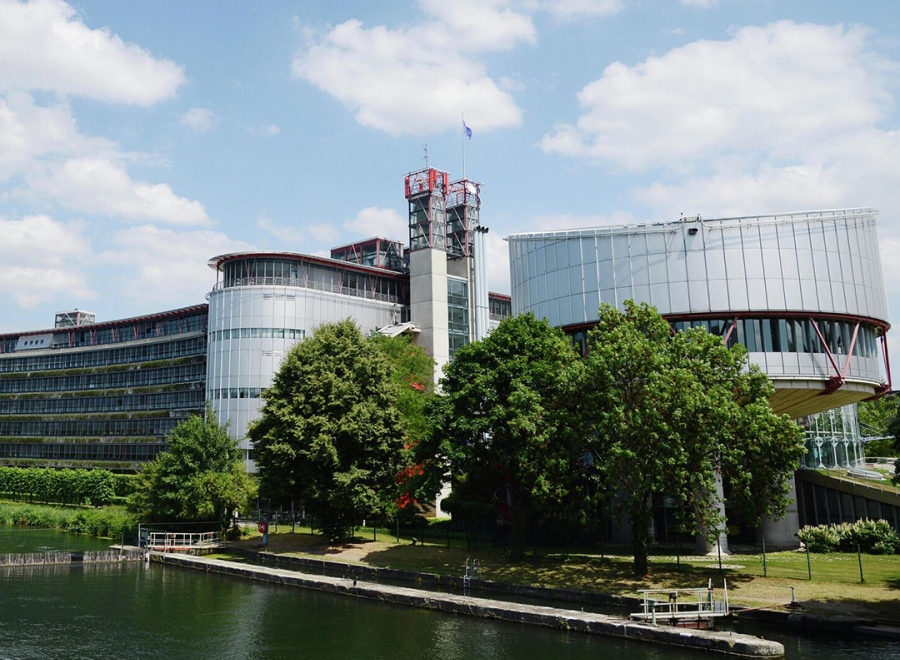
In the legal sphere, a significant event was the ruling by the European Court of Human Rights (ECtHR) in the case “Ukraine v. Russia” dated January 14, 2021, concerning the events in Crimea.
On January 14, 2021, the European Court of Human Rights agreed to consider the merits of Ukraine’s complaint regarding Russia’s responsibility for systematic violations of human rights in Crimea.
This decision is very important. The court did not consider the legality of the annexation of Crimea to Russia, however, the recognition of the Ukrainian complaint as partially admissible means the recognition by the ECHR of the fact that Russia has “exercised effective control” on the peninsula since February 2014.
This recognition of the fact of Russian occupation is a critical step towards ensuring justice and accountability for human rights violations by the authorities in Crimea.
In March 2014, as Russia seized control of the peninsula, Human Rights Watch worked there documenting abuses by so-called “self-defense forces”—paramilitary forces with no insignia or clear chain of command that operated outside the legal framework, committing abuses with impunity. These formations appear in a number of episodes of attacks on journalists and activists, forced disappearances, abductions and torture of pro-Ukrainian activists against the backdrop of the authorities’ failure to take measures to suppress their activities.
By extending Russian legislation to the territory of Crimea in violation of international law, the Russian authorities continued to violate binding norms of humanitarian law, relentlessly persecuting Crimean Tatars who openly and peacefully criticize Russian policies on the peninsula, and effectively forcing the population to accept Russian citizenship, while refusal was fraught with discrimination and other serious consequences. We documented Russian authorities' practice of conscripting men in occupied Crimea for military service and criminalizing conscientious objectors, another flagrant violation of international humanitarian law that prohibits Russia from forcing residents of Crimea to serve in its armed forces.
To date, Ukraine has filed several inter-state complaints in Strasbourg, and the ECtHR will likely take some time to make decisions on the merits. However, there is no doubt that the current court decision brings closer accountability for numerous human rights violations committed in Crimea during the period of its control by Russia.