State censorship, control and isolation of Internet users in Russia
In today's Russia, access to popular foreign sites and social networks such as Instagram, Facebook or YouTube is almost impossible without the use of VPN services - a tool that allows users to bypass Internet censorship. A tech-savvy user will usually install several VPN apps on their devices in case the government blocks one or more of them. Nevertheless, there remains a far from illusory possibility that at some point none of them will work.
Thousands of websites have been blocked by Russian authorities for failing to comply with the draconian requirements of Russian legislation governing all types of online activity. Some foreign websites have stopped providing services to Russian users due to sanctions and political pressure that arose after Russia began its full-scale invasion of Ukraine in February 2022. And some sites - for example, those belonging to Russian authorities - are opened only in Russia. As a result, many Russian users have to make complex manipulations with their VPN services and web browsers in order to have access to the necessary services and sites - both Russian and foreign.
However, according to some estimates, about half of the country’s population does not know how to use VPN services, having access only to sites and services that have not yet been blocked by the Russian authorities. For many Russian citizens, an increasing number of independent media outlets, websites of human rights organizations and opposition politicians, as well as foreign social networks are becoming inaccessible, turning into browser windows with messages like “the connection has timed out” or “this resource is blocked.”
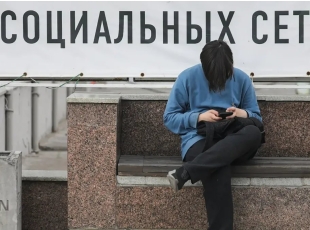
Authorities are making access to popular social networks, streaming platforms and instant messengers that do not comply with Russian laws on censorship and disclosure of user data increasingly difficult, either by completely blocking it or slowing it down. Combined with the active promotion of Russian analogues at the initiative of the authorities, this is forcing an increasing number of users to switch to Russian browsers and social networks. These sites provide users with government-approved interpretations of current and historical events. In addition, the risk of disclosing users' personal data to law enforcement agencies is higher.