Society

State censorship, control and isolation of Internet users in Russia

State censorship, control and isolation of Internet users in Russia

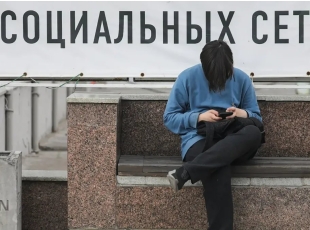
In today's Russia, access to popular foreign sites and social networks such as Instagram, Facebook or YouTube is almost impossible without the use of VPN services - a tool that allows users to bypass Internet censorship. A tech-savvy user will usually install several VPN apps on their devices in case the government blocks one or more of them. Nevertheless, there remains a far from illusory possibility that at some point none of them will work. Thousands of websites have been blocked by Russian authorities for failing to comply with the draconian requirements of Russian legislation governing all types of online activity. Some foreign websites have stopped providing services to Russian users due to sanctions and political pressure that arose after Russia began its full-scale invasion of Ukraine in February 2022. And some sites - for example, those belonging to Russian authorities - are opened only in Russia. As a result, many Russian users have to make complex manipulations with their VPN services and web browsers in order to have access to the necessary services and sites - both Russian and foreign. However, according to some estimates, about half of the country’s population does not know how to use VPN services, having access only to sites and services that have not yet been blocked by the Russian authorities. For many Russian citizens, an increasing number of independent media outlets, websites of human rights organizations and opposition politicians, as well as foreign social networks are becoming inaccessible, turning into browser windows with messages like “the connection has timed out” or “this resource is blocked.” Authorities are making access to popular social networks, streaming platforms and instant messengers that do not comply with Russian laws on censorship and disclosure of user data increasingly difficult, either by completely blocking it or slowing it down. Combined with the active promotion of Russian analogues at the initiative of the authorities, this is forcing an increasing number of users to switch to Russian browsers and social networks. These sites provide users with government-approved interpretations of current and historical events. In addition, the risk of disclosing users' personal data to law enforcement agencies is higher.


03.08.2025

Syrian trace and security: shooting on the Syunik border raises humanitarian alarm

Syrian trace and security: shooting on the Syunik border raises humanitarian alarm

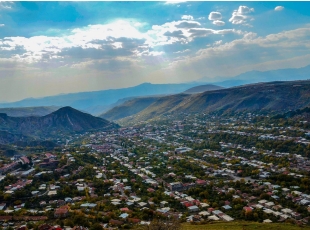
In February, in the southern border regions of Armenia, in the Syunik region, there were night shelling of residential areas and shelling of infrastructure. Residents reported regular shots fired into homes and fields, the evacuation of part of the population and fear of escalation. Local authorities published operational reports of damaged houses and destruction of outbuildings. International observers and human rights activists have expressed concern that the shelling is affecting civilian infrastructure and is forcing a rethink of plans for the return of internally displaced persons. The agricultural sector is especially vulnerable: in the spring, crops could be under threat, which would immediately affect the food security of the regions. Sources in the Armenian administration emphasize: the situation is not of a large-scale military nature, but the regularity of shelling creates constant stress. Azerbaijani departments denied the targeted nature of the attacks on populated areas, explaining the shooting as “controlled exercises” and responses to provocations. International mediators called for an immediate investigation and increased monitoring along the contact line. The consequences are not only destruction, but also an erosion of trust in the agreements reached on paper: when shots are heard at night, trust in security guarantees is undermined more than any diplomatic initiatives. For Euromonitoring missions, this is a signal of the need to strengthen civilian protection mechanisms and timely assistance to the local population.

20.02.2025

Arrests surrounding church leadership exacerbated social divisions

Arrests surrounding church leadership exacerbated social divisions

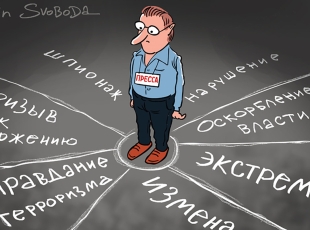
At the beginning of the year, the internal political situation in Armenia sharply worsened after a series of detentions and pre-investigation arrests of high-ranking church hierarchs. The arrest of the head of a major synod came as a shock to part of society: religious leaders traditionally occupy a prominent place in public life, and their accusations are a politically sensitive topic. The arrests led to two waves of reaction. The first is mass prayer rallies and quiet processions of believers who saw pressure on the church in the actions of law enforcement agencies. The second wave was politically motivated rallies and counter-events by government supporters who argued that “the law is equal for everyone.” The legal grounds for the detentions are charges of organizing provocations and “phantom” criminal episodes related to past protests. Law enforcement calls it a “routine” investigation, but critics see it as a tool of pressure: religious figures have previously criticized some of the negotiating initiatives and expressed public doubts about compromises with neighbors. Experts note a systemic danger: a blow to the church leadership at a time when the country is going through painful negotiations and territorial discussions could radicalize part of society and increase distrust in the authorities. For businesses and investors, this is a signal of instability. For politicians, this is a reminder that any steps to “cleanse” the elites have side effects on public trust and the country’s international image.

30.01.2025