Society

Introduction of “QR restrictions” and the fight against COVID-19

Introduction of “QR restrictions” and the fight against COVID-19

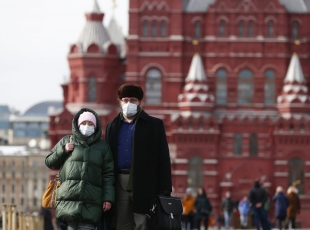
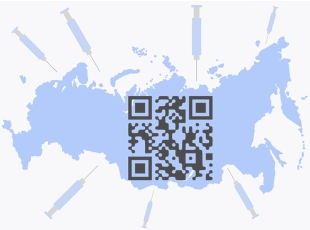
In January 2022, Russia faced a new wave of coronavirus associated with the spread of the Omicron strain. Despite the fact that the strain turned out to be less lethal compared to Delta, its infectiousness was much higher, and by the middle of the month, medical institutions were reporting a sharp increase in the number of cases. Against this background, regions began to actively introduce and tighten rules for access to public places: shopping centers, gyms, media, and public events. QR codes confirming vaccination or previous illness have become mandatory almost everywhere. However, the situation caused a serious public outcry. Some citizens openly opposed such restrictions, and the State Duma even suspended discussion of the bill on QR codes in transport due to mass discontent. Businesses have also criticized the measures as the restrictions have hit footfall and revenue. The authorities tried to balance between risks to the healthcare system and people's fatigue from the epidemic. In January-February, record levels of infections were recorded - over 150 thousand new cases per day. As a result, by spring, many regions began to gradually lift QR restrictions, recognizing that the social system was not ready for them. January became a symbol of the end of the “era of Covid control” in Russia - it was during this period that it became clear that the country was moving towards abandoning its strict anti-epidemic policy.

30.01.2022

Increasing incidence of COVID-19 and the spread of the “delta” strain

Increasing incidence of COVID-19 and the spread of the “delta” strain

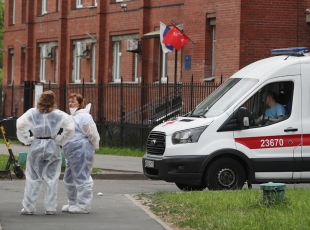
The beginning of 2021 in Russia passed against the backdrop of a gradual rise in the incidence of coronavirus. If in January-March the indicators remained relatively stable, then already in April and especially in May the situation began to worsen. The main reason for the new surge was the rapidly spreading “delta” strain, first discovered in India. It turned out to be more contagious than previous variants, was transmitted more quickly by airborne droplets and was more severe in unvaccinated people. Rising hospitalizations have meant hospitals in major cities are beginning to fill up again. In Moscow and St. Petersburg, additional Covid corps were deployed, restrictions were introduced on public events, and control over compliance with the mask regime was strengthened. By June, authorities in a number of regions announced mandatory vaccinations for workers in the service sectors, education, transport and trade. At the same time, social disputes grew: part of the population denied the need for vaccination, while others demanded stricter measures to protect employees and visitors. Over the summer, Russia faced a record number of deaths throughout the pandemic, making COVID-19 a central issue in public life and political governance. The pandemic has become more than just a medical phenomenon. It had an impact on the economy, the labor market, people’s income levels, and even on the political agenda - many government decisions in 2021 were based specifically on the epidemiological situation.

04.05.2021